


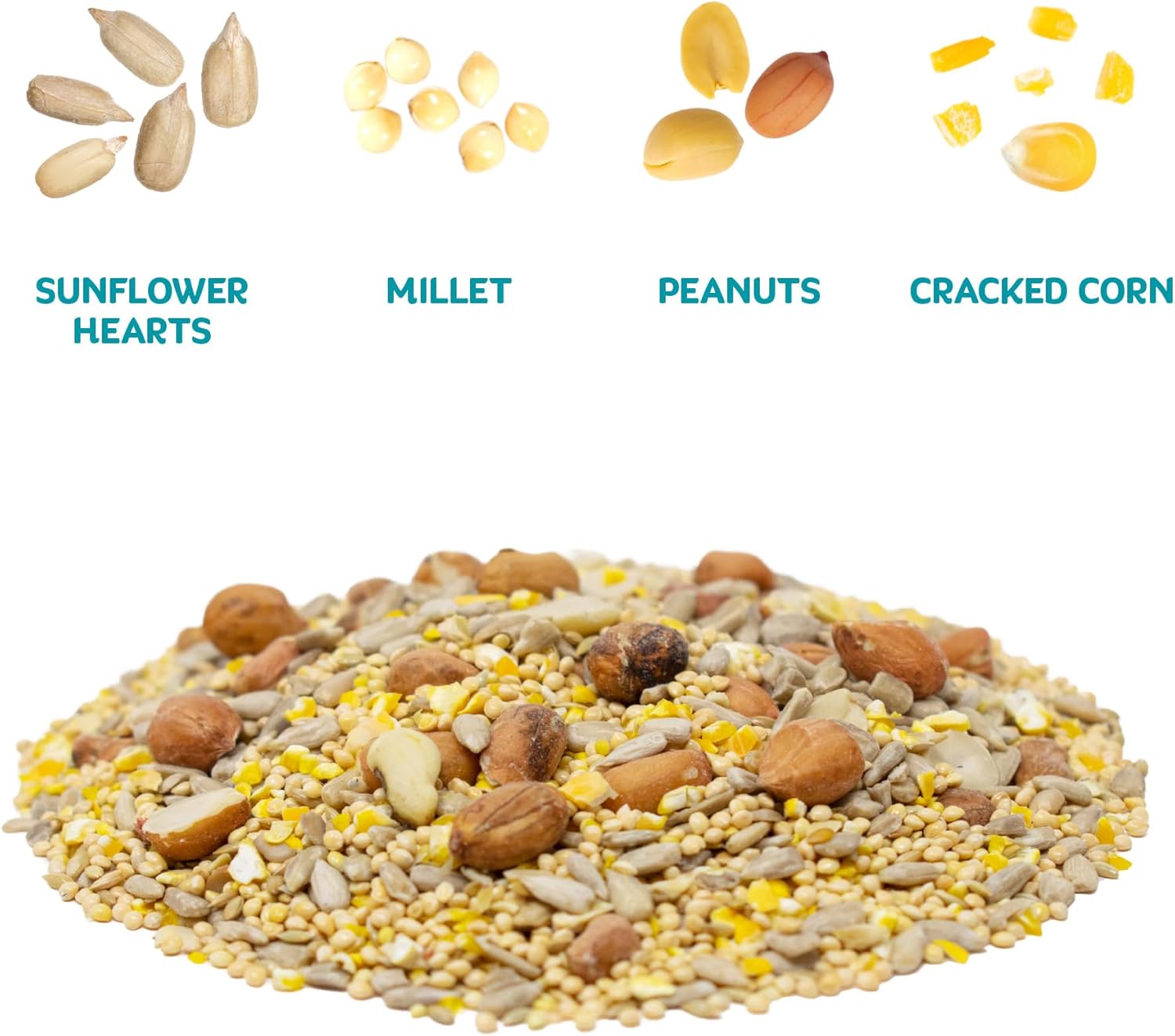
From the manufacturer


Ingredients
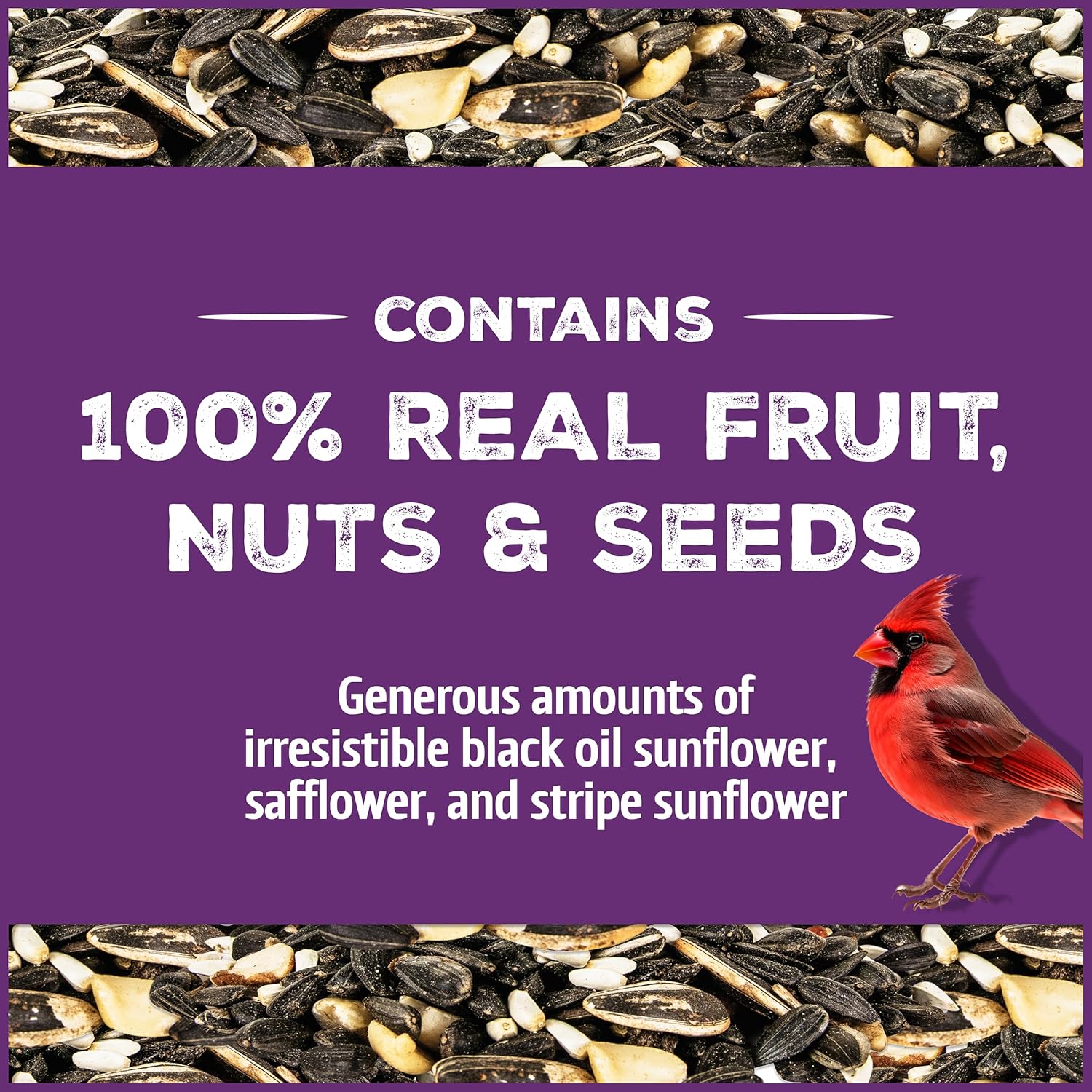
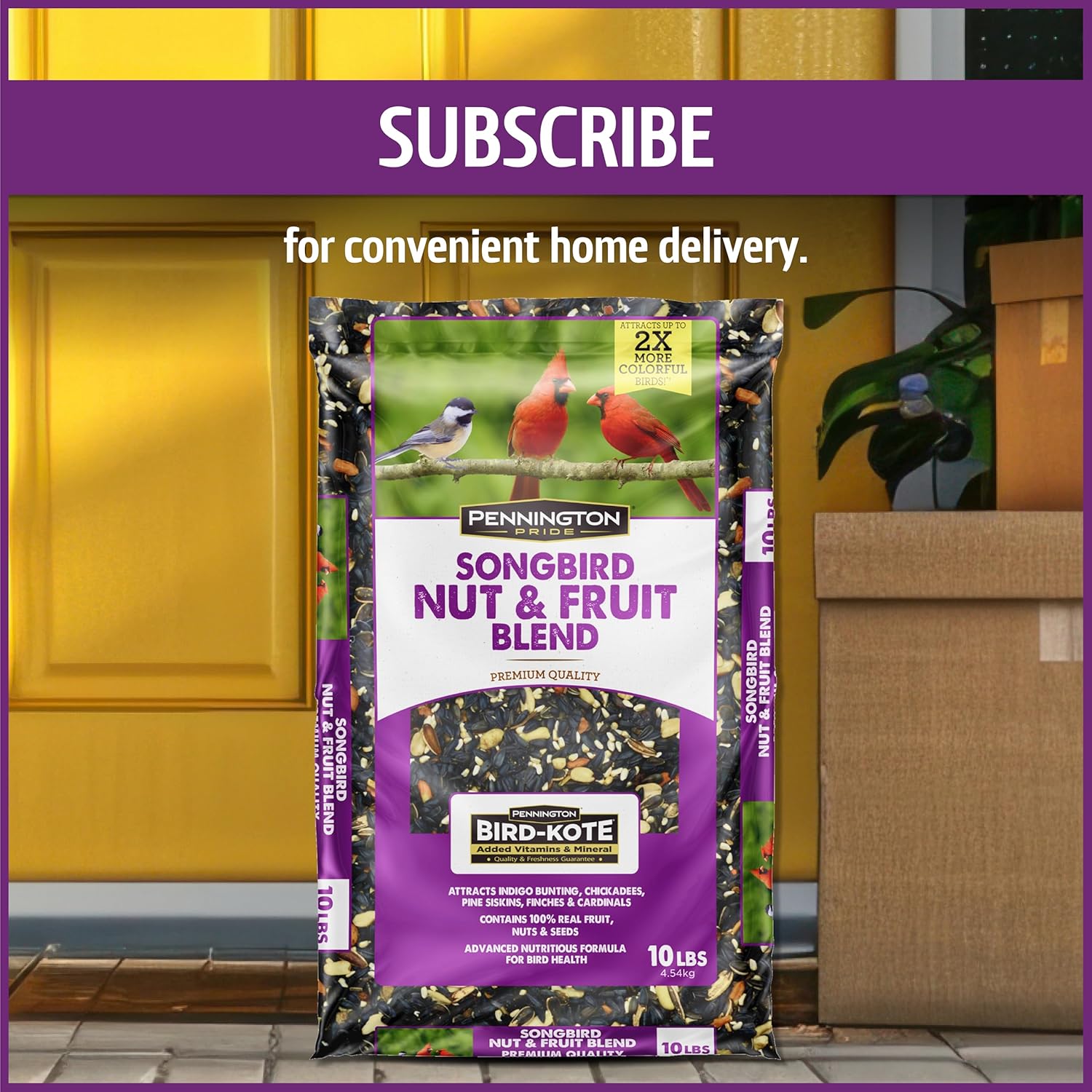
Black Oil Sunflower, Safflower, Peanuts, Striped Sunflower, Raisins, Dried Cherries, Bird-Kote (Vitamin A Supplement, Vitamin D-3 Supplement, Vegetable Oil)
Frequently Asked Questions
Will the seeds sprout?
Most of our bird seed is not sterilized, so it is possible that the seeds will sprout when they fall. If this is a concern, we recommend placing a tray below the bird feeders to catch the seed or something over the ground to prevent seed to soil contact. The one exception is our thistle seed, which is sterilized and will not germinate.
Why is there debris in my bag of bird seed?
Even with our state of the art systems, occasionally towards the end of a run, fine dust will settle along with excessive chaff (sticks & stems) that has been separated from the good seed. Bags containing excessive chaff are to be thrown off by hand to ensure unsightly product doesn’t reach our customers.
What seeds and mixes work with various feeders?
Our tube feeders have adjustable seed ports suitable for tiny nyjer (thistle) and finch seed blends. Our feeders that feature suet cages can accommodate suet and seed cakes. The rest of our seed and mixes can go in any of our seed feeders.
How long does it usually take for birds to find a new feeder?
If a new feeder is placed near a previous feeding spot familiar to birds, it may be found in minutes or up to two weeks. If there is no previous history, however, the process can take several weeks or months! There are several things you can do to speed up the process: Place the feeder somewhere birds flying by will see it, but within 10-15 feet of cover (brush pile, tree, etc.) to help birds feel safe. Start with a universally popular feed, such as Black Oil Sunflower Seed to make sure the first visitors will be happy (slowly transition to your preferred feed once the feeder is established). You can also place a little bit of seed nearby (on the top of the feeder, on the ground underneath, on deck railing nearby, etc.) to help catch the notice of new birds. Adding a nearby birdbath (especially with moving water, like a birdbath fountain) can be an incredibly effective way to draw attention to a new feeder. Lastly, monitor the feed levels in the feeder to make sure birds aren't feeding when you weren't around, and keep fresh seed stocked to get off on the right foot.

What types of birds do various seed types and other ingredients attract?
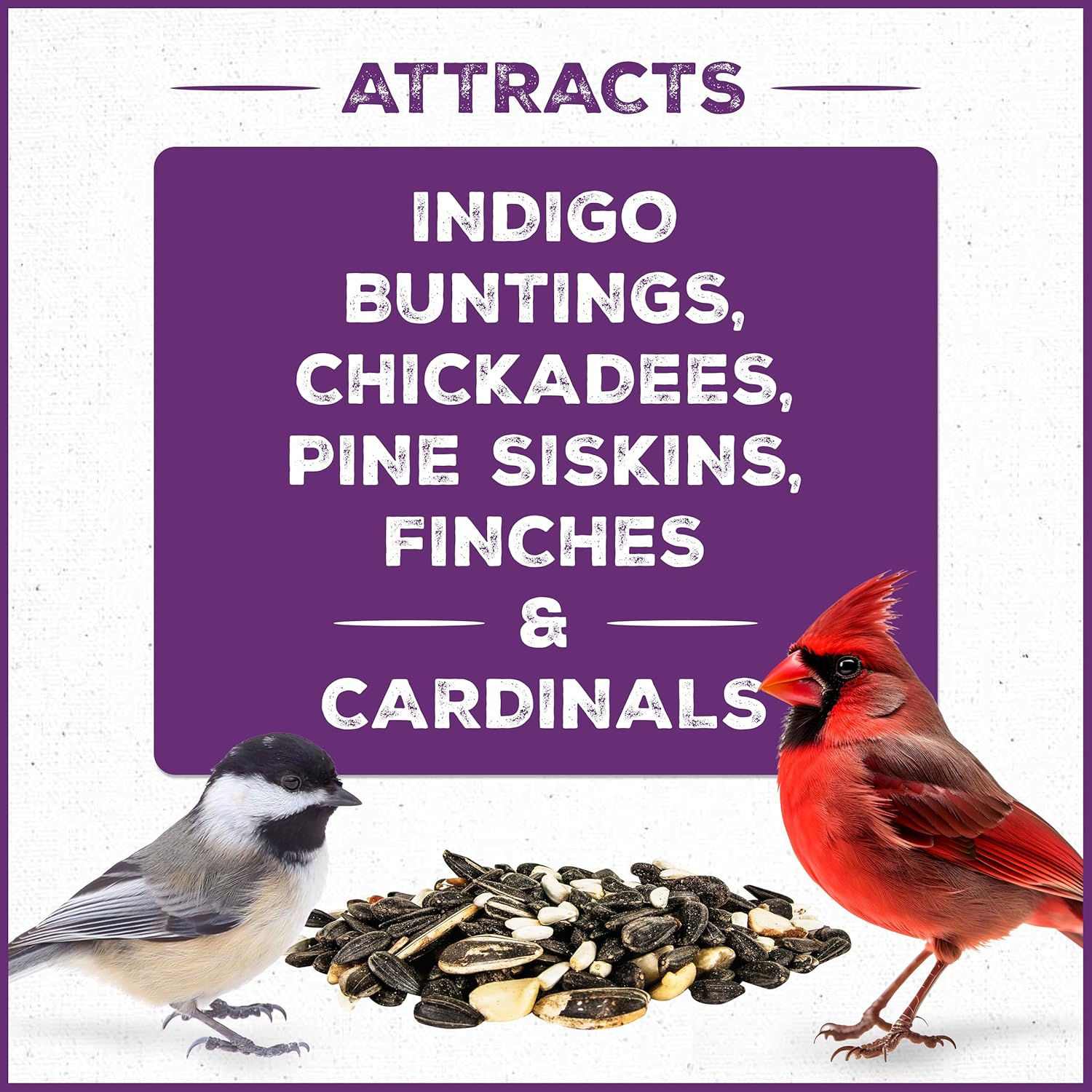
- Black oil sunflower seed: Black oil sunflower seed is high in energy and has thin shells, making it the preferred food for a wide variety of birds like cardinals, chickadees, titmice, finches, sparrows and woodpeckers.
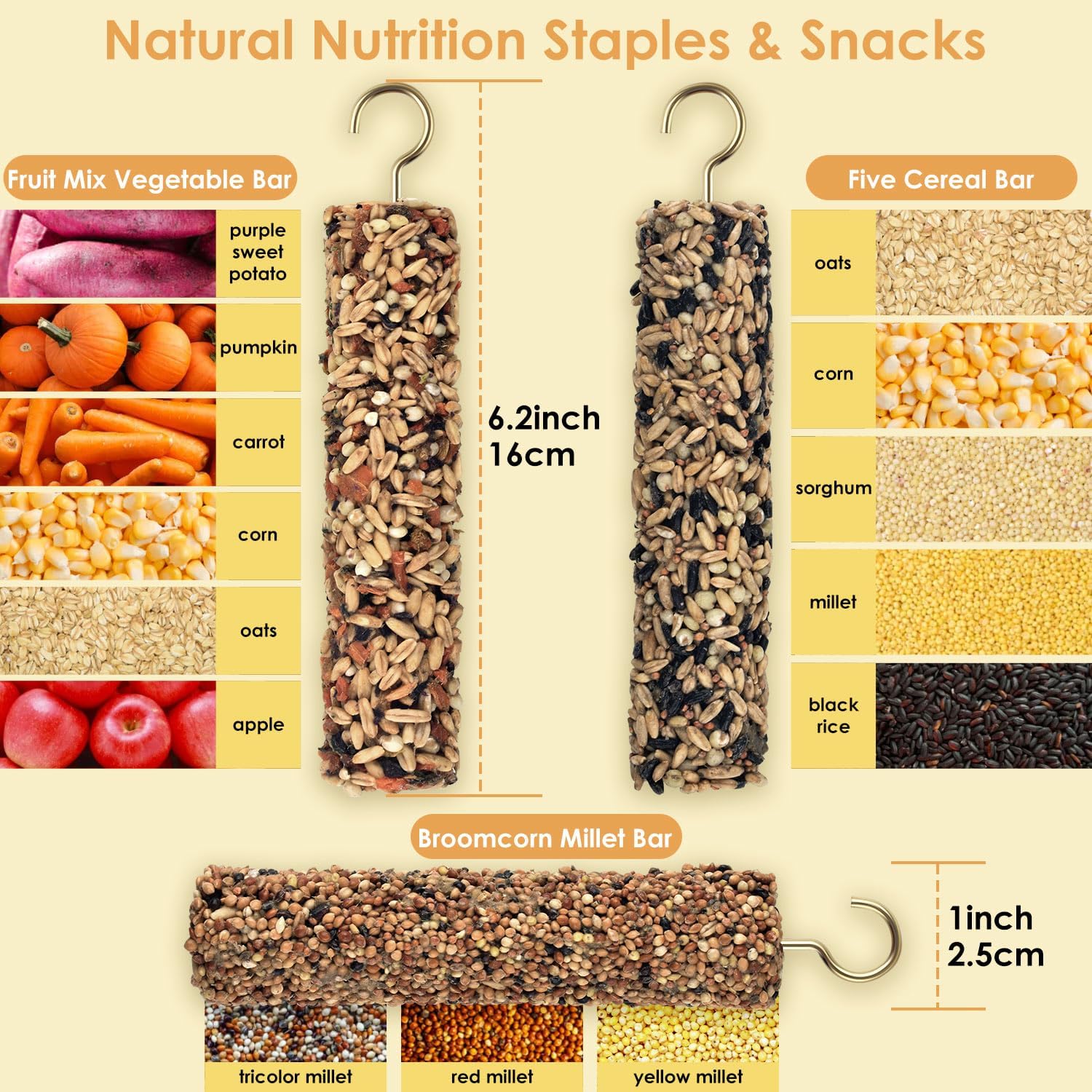
- Fruit: Robins, mockingbirds, catbirds, bluebirds and waxwings are all species that enjoy fresh and dried fruit (and dried seeds of fruits like pumpkins or apples).
- Hulled sunflower seed: High nutritional value and ease of consumption makes hulled sunflower a favorite of all seed eating birds.
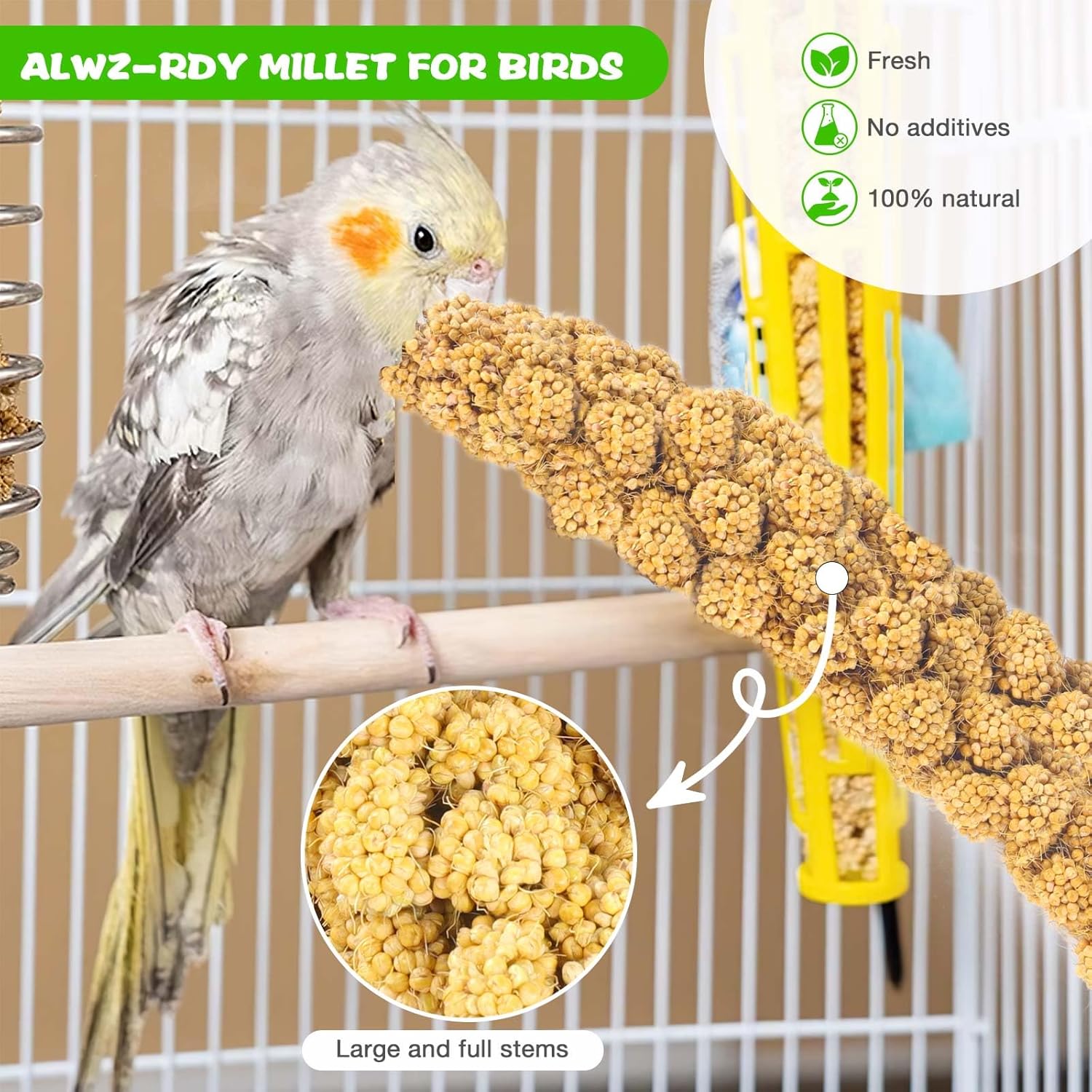
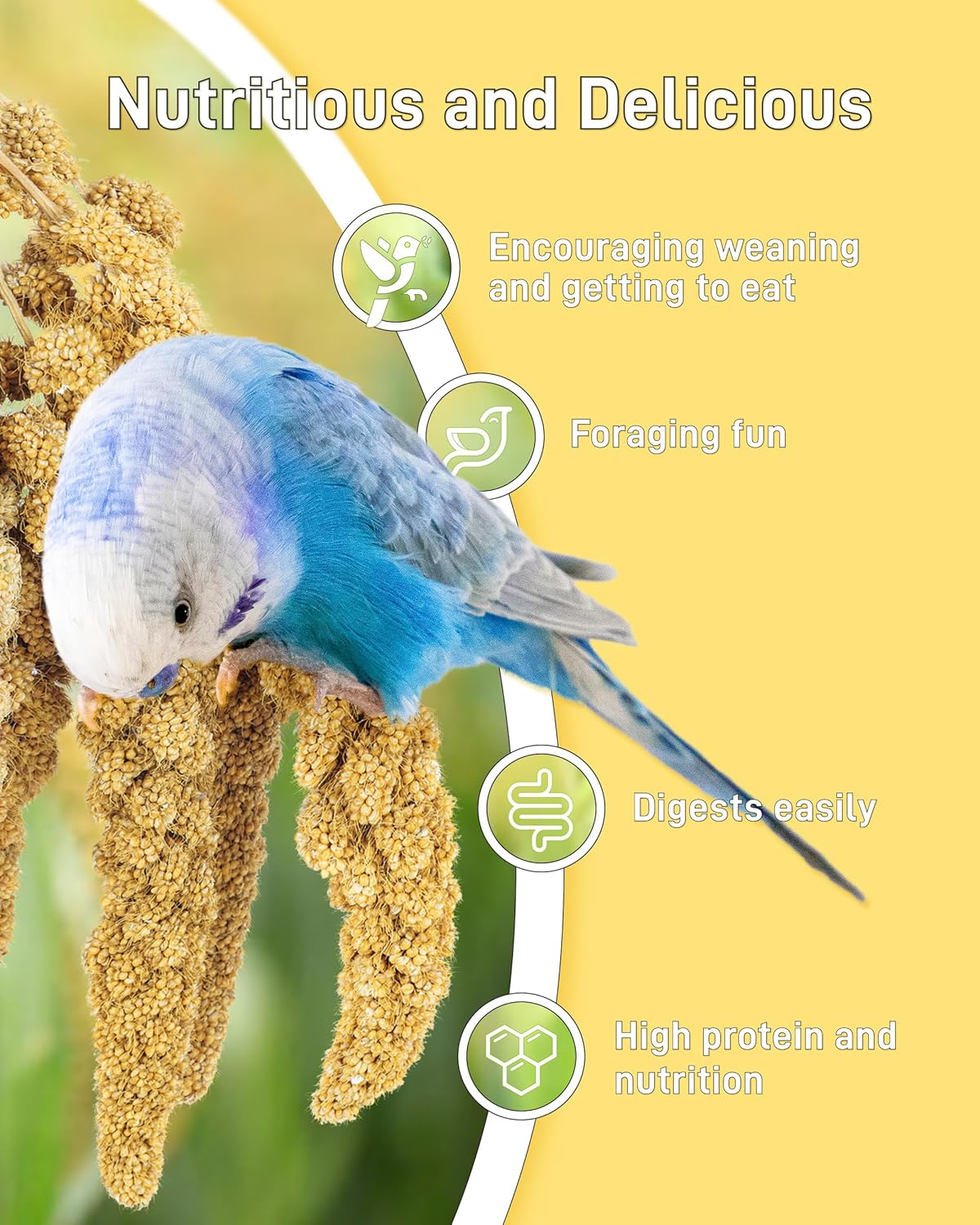
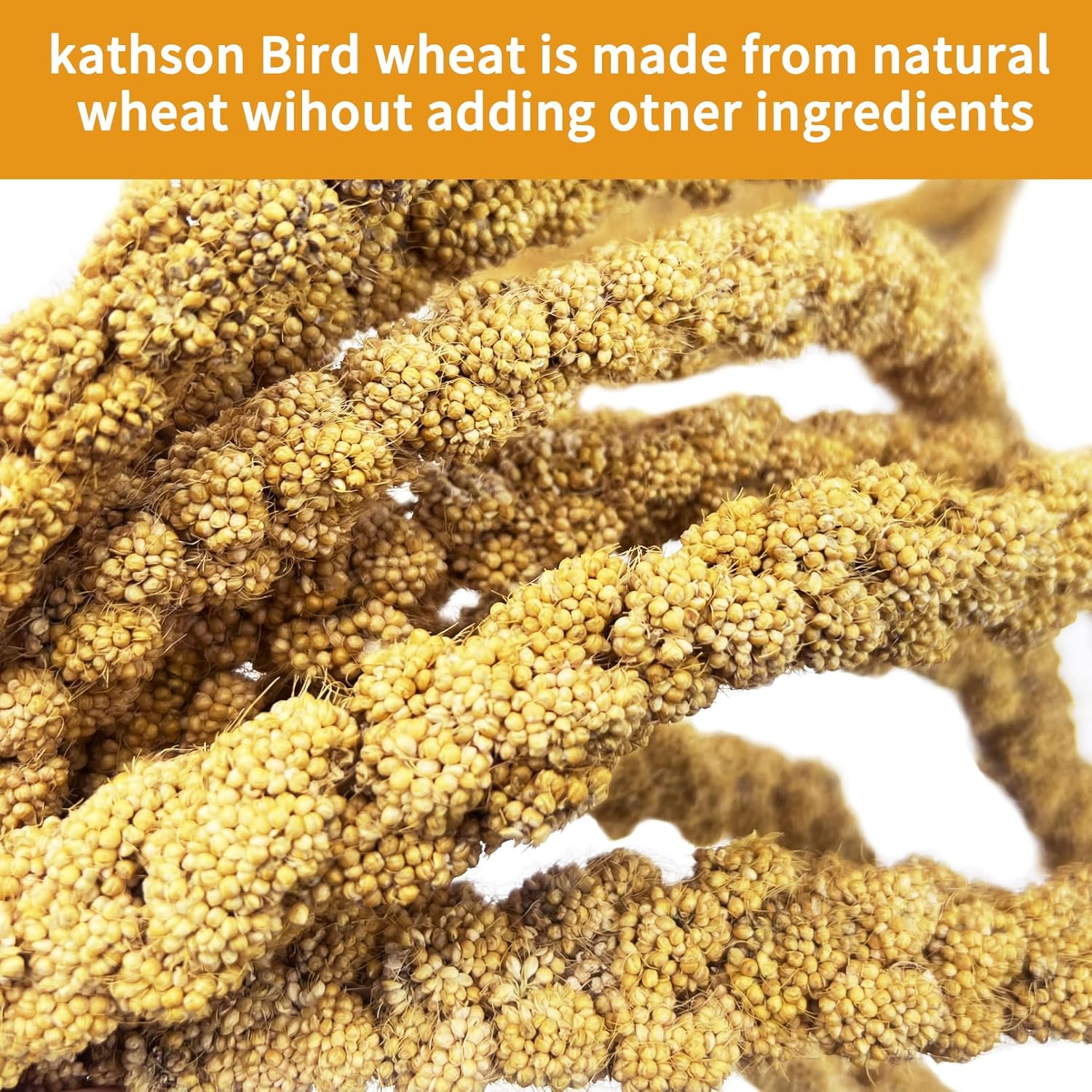
- Millet: Millet is a favored food of many smaller, ground foraging birds, such as juncos and sparrows.
- Nyjer (thistle) seed: Often called "thistle" seed, nyjer attracts finches, including American goldfinches, purple finches, pine siskins, and common redpolls.
- Safflower: Safflower attracts cardinals, nuthatches, sparrows and woodpeckers while not being preferred by bully birds like crows and blackbirds.


Reviews
There are no reviews yet.